


Sustainable development of shrimp farming in the Mekong Delta
The shrimp farming industry in the Mekong Delta has been developing strongly in recent years, becoming an important economic sector, creating jobs, increasing income for millions of coastal people and a significant source of foreign exchange revenue for the country.
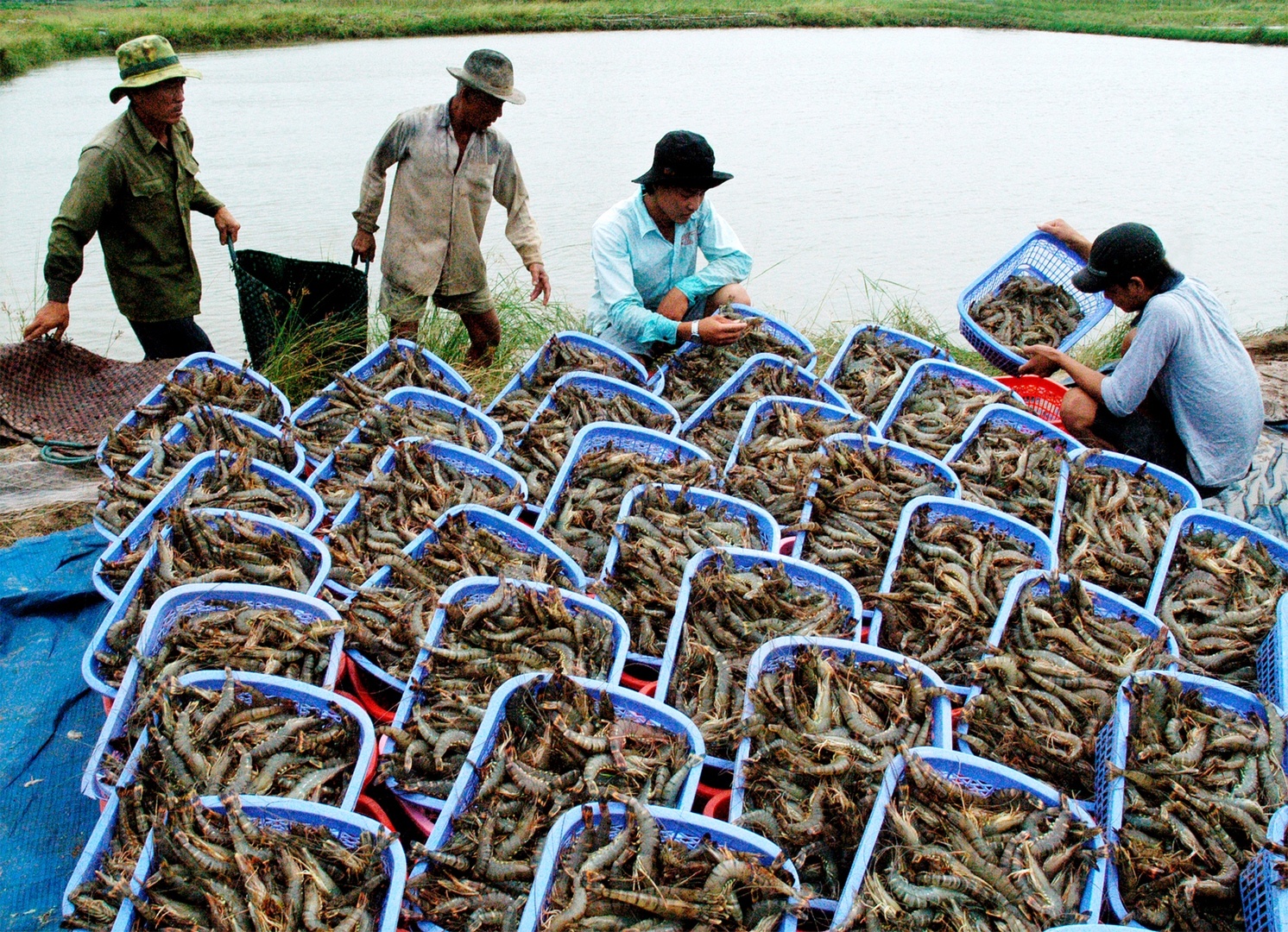
However, the shrimp farming industry in the Mekong Delta still faces many difficulties and has not fully exploited its potential, leaving the "problem" of sustainable economic development of the shrimp industry still open.
The reporter mentioned this content through a series of three articles on the topic: "Sustainable development of shrimp farming in the Mekong Delta."
Lesson 1: Reasons why shrimp farming in the Mekong Delta is difficult
However, shrimp farmers in the Mekong Delta are facing many problems that affect productivity and product quality; In which climate change, epidemics and market fluctuations are among the most serious issues.
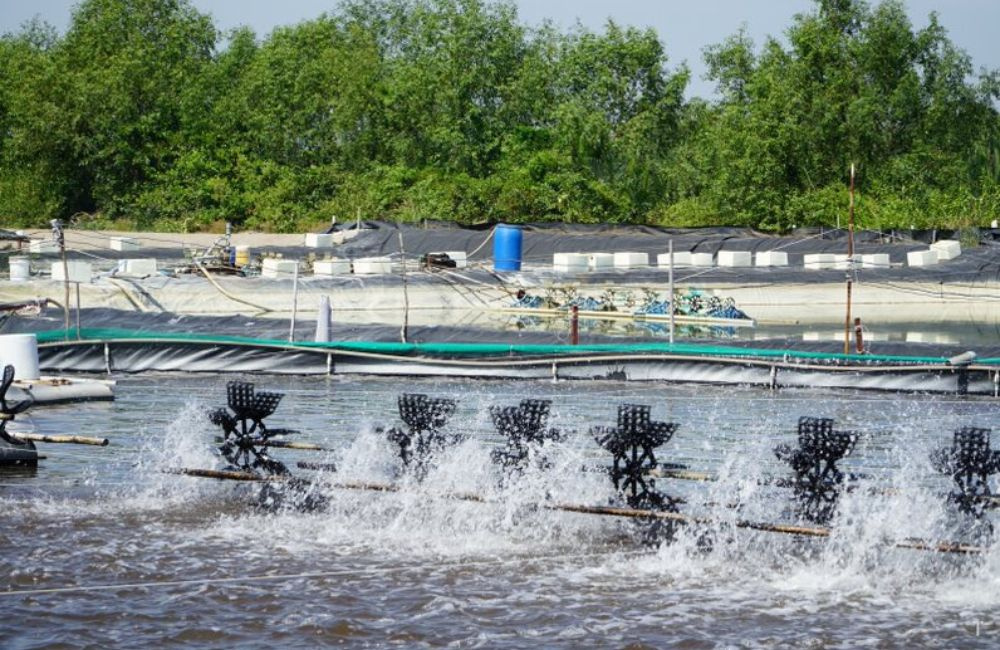
Effects of climate change and epidemics
In recent years, the Mekong Delta region has been facing harsh impacts of climate change such as drought, saltwater intrusion, heavy rain, sea level rise... which occur abnormally. and widely in provinces/cities in the region, the most serious are Ca Mau, Bac Lieu, Soc Trang, Tra Vinh, Ben Tre, Tien Giang, Can Tho... changing the habitat of many marine species and coastal areas, especially shrimp.
From the beginning of 2023 until now, the whole country has had nearly 4,024 hectares of shrimp farming in 7 provinces damaged; Of which about 2,239 hectares were damaged due to epidemics (accounting for 55.65%), the remaining 1,785 hectares were damaged due to the environment, weather and unknown causes.
In the Mekong Delta, the most serious cases are Kien Giang, Ca Mau, Tra Vinh, Bac Lieu, Soc Trang...
In Kien Giang, Deputy Director of the Provincial Department of Agriculture and Rural Development Le Huu Toan said that as of April 2023, the province had stocked 125,713 hectares of brackish water shrimp, reaching 91.4% of the 2023 plan. However, Due to prolonged hot weather and sudden changes in environmental temperature affecting the resistance of farmed shrimp, pathogens can easily attack and cause epidemics, leading to damage to more than 446 hectares of brackish water shrimp, including 308 hectares of farmed shrimp were infected, more than 137 hectares of shrimp were damaged due to environmental shock. White spot disease caused by a virus causes death in shrimp, accounting for nearly 94% of the infected shrimp area.
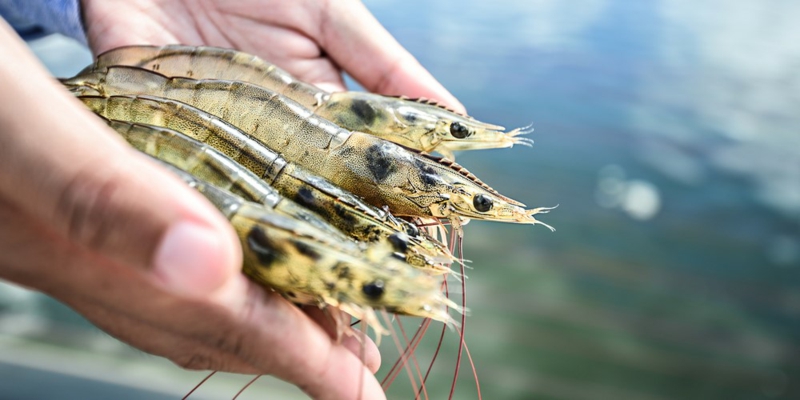
Similarly, the shrimp farming area in Ca Mau affected by the disease is over 1,100 hectares; In which, the area of intensive shrimp farming is infected with more than 3 hectares, the improved extensive shrimp farming is infected with more than 1,000 hectares, the damage level is from 50-85% of the area of infected shrimp.
In Tra Vinh, from late February to early March this year, the province was affected by unseasonal rains that adversely affected the water environment in rivers and ponds, causing 4.7 million in damage. black tiger shrimp and more than 22.6 million white leg shrimp raised by people.
From the beginning of the year until now, Soc Trang has raised 3,643 hectares of brackish water shrimp, of which the whole province has recorded more than 20 hectares of shrimp damage.
According to Master Quach Thi Thanh Binh - Director of Soc Trang Provincial Fisheries Sub-Department, there is a high difference in temperature between day and night, sunny days, cold nights, low salinity... are unfavorable factors that cause The risk of disease outbreaks in shrimp is forecast to become more complicated in the near future.
Director of the Department of Agriculture and Rural Development of Bac Lieu province Luu Hoang Ly said that known as the "shrimp capital" of the country, currently the entire province of Bac Lieu has 114,249 hectares of shrimp farming. The area of shrimp damaged was 446 hectares, accounting for over 70%, mainly in the period of 30-80 days of age.
In addition to the causes due to the effects of climate change and epidemics, according to Deputy Minister of Agriculture and Rural Development Phung Duc Tien, epidemic prevention and disease reporting on farmed shrimp still have many shortcomings and inadequacies such as Compliance with legal regulations on disease prevention and disease reporting has not been seriously implemented; Many dangerous outbreaks have not been reported by farmers to veterinary staff or local authorities.
Collecting data on damage and epidemics, organizing sampling and testing to determine the cause is often untimely and faces many difficulties; Statistics and reports on damage and diseases on shrimp are not close to reality and are not based on test results and field inspections; The phenomenon of shrimp farmers not declaring epidemics and handling epidemics themselves based on their own experience or advice from companies/agents is quite common...
Market fluctuations
According to General Secretary of the Vietnam Association of Seafood Exporters and Producers (VASEP) Truong Dinh Hoe, although export activities rank among the top in the world, the shrimp industry still faces many difficulties and challenges in the world. both input and output related to raw material supply from breed quality, disease control, and farming area control; The proportion of area and output of shrimp raised according to good agricultural certification standards (GAP), organic... is still low.
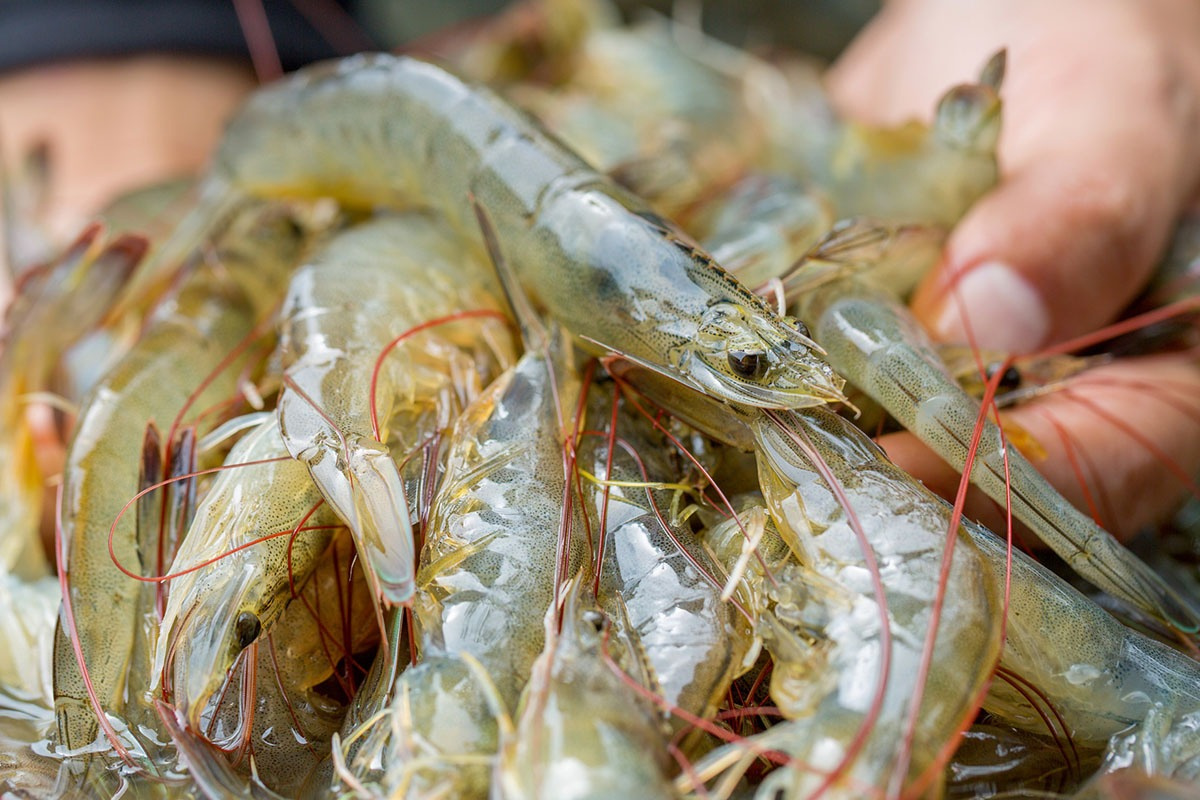
In particular, on the world market, shrimp prices have gradually decreased since the end of 2022 and are expected to continue to decrease when global supply increases to about 6 million tons.
Domestically, shrimp production costs are still higher than other countries, leading to uncompetitive product prices while Vietnamese shrimp is under fierce competitive pressure with Ecuador and India. This is clearly shown when by the end of the first quarter of 2023, shrimp exports are estimated to reach nearly 577 million USD, down 40% compared to the same period in 2022.
Analyzing the causes leading to this current situation, Mr. Truong Dinh Hoe said that the world market is still heavily affected by inflation and economic decline, causing demand for consumption and import of seafood to decrease and import prices to decrease. also decreased.
Specifically, by the end of March 2023, Vietnamese seafood exports to the United States reached 237 million USD, down 55% over the same period last year, shrimp alone accounted for 37%; Japanese market reached more than 105 million USD, down 29% over the same period; EU market reached 89 million USD, down 44% over the same period; Korean market reached 78 million USD, down 25% over the same period...
The General Secretary of the Vietnam Association of Seafood Exporters and Producers commented that it is forecasted that seafood exports will gradually recover from the second quarter of 2023 after international fairs in the US and EU attract more exporters. customers come to Vietnam.
However, the general trend in the first 6 months of 2023 is that shrimp exports will recover slowly because they continue to face inflation and the global economic recession, affecting consumption in major markets. Besides, Vietnamese shrimp has to compete fiercely with India, Ecuador, and Indonesia in terms of price.
Currently, Vietnam's shrimp price is 20,000-30,000 VND/kg higher than that of Ecuador and India. The reason the cost of shrimp farming is still high is due to the high cost of input materials, but more importantly because the success rate in shrimp farming is still low. Meanwhile, in 2023 Ecuador is expected to produce more than 1.5 million tons of shrimp, twice as much as Vietnam's whiteleg shrimp output.
From another perspective, General Director of the Directorate of Fisheries (Ministry of Agriculture and Rural Development) Tran Dinh Luan said that as a rule, in the first quarter of every year, Southern Hemisphere countries such as Indonesia, Ecuador... start fishing. At the beginning of the shrimp harvest, in the Mekong Delta, the shrimp farming season has just begun. On the other hand, as required, all shipments must have traceability, but the issuance of farming facility codes is currently very low.
Besides, the shrimp farming area is large, but most of them are small shrimp farmers; Collecting land, building, investing in developing concentrated, large-scale farming areas with modern technology is very difficult due to high land prices and difficulty in having an area large enough as desired; The establishment of shrimp farming cooperatives is still slow.
In addition, from the perspective of experts and scientists, according to Dr. Tran Huu Loc (Ho Chi Minh City University of Agriculture and Forestry), shrimp farming in the Mekong Delta still faces many difficulties: shrimp farming Parents depend on imported sources and natural exploitation, only partially providing domestic resources, and are not proactive in production; Poor quality shrimp seeds are still not well controlled and quarantined when exported and transported; The management of shrimp seed production is still lax, with no standards or quality assessment criteria; Farming area planning is still widespread, leading to the consequence that when shrimp are stocked, they suffer from many diseases and the water environment is polluted.
Shrimp feed still accounts for a high proportion of production costs, about over 65% of the cost of industrial shrimp farming; Small farming establishments often lack production capital, have to buy input materials on credit, bear high interest rates and do not have the opportunity to choose quality products, depending on agents; The application of science and technology in production is still limited
Source: vietnamplus
KING FOODS GLOBAL COMPANY LIMITED
Address: 140/4 Vo Thi Sau street, district 3, Hochiminh City, VietNam
Tel: +84-91 8228188
Email: info@kingfoodsglobal.com

 0918 228 188
 info@kingfoodsglobal.com
 http://kingfoodsglobal.com/